
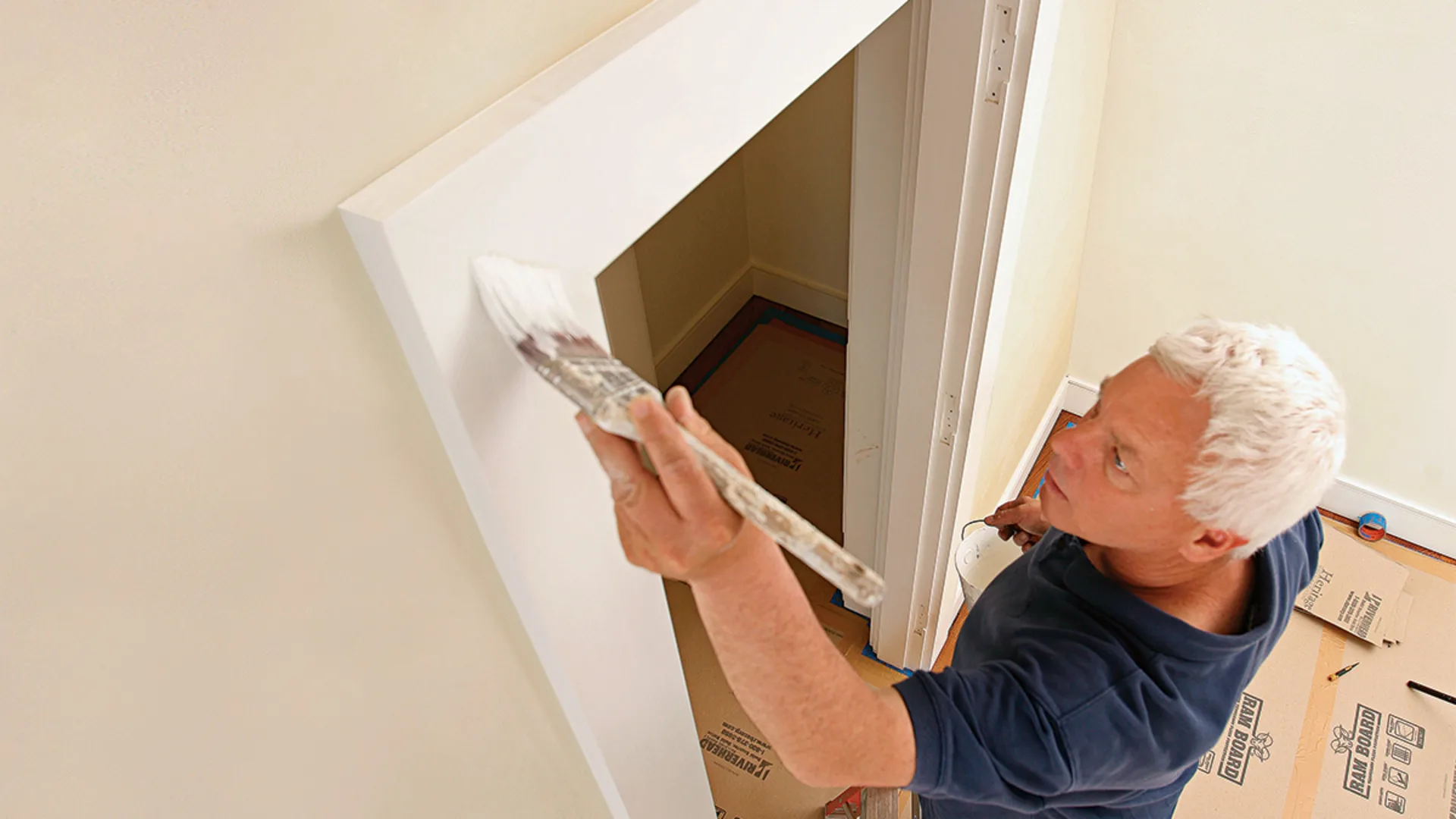
Trim is the framing of your home's interior. the baseboards, door casings, window surrounds, crown molding, and chair rails that define the transitions between surfaces and add architectural character to every room. When trim is clean, crisp, and freshly painted, it elevates the entire space. When it is scuffed, yellowed, chipped, or caulking has cracked, it makes even recently painted walls look neglected.
Westchase Painting Company provides dedicated trim and baseboard painting services throughout Westchase, Carrollwood, South Tampa, and the greater Tampa Bay area. Whether you need a full-house trim refresh or just want to update the baseboards in your main living areas, we deliver factory-smooth finishes that make trim look like it was just installed.
Why Does Trim Painting Require a Specialist Approach?
Trim painting is the most detail-intensive category of interior painting. Unlike walls, where a roller covers large areas quickly and small imperfections blend at viewing distance, trim is viewed up close from standing height. Every flaw is visible, brush marks, drips, missed spots, rough edges, unfilled nail holes, cracked caulk lines, and uneven sheen all stand out on a 3-inch baseboard in a way they never would on a 10-foot wall.
The difference between amateur and professional trim painting comes down to three factors:
- Preparation depth: Professional trim painting starts with thorough preparation, filling every nail hole, caulking every gap, sanding every surface, and cleaning every edge. This preparation typically takes as long as the actual painting. Skipping prep is the number one reason trim painting looks unprofessional.
- Product selection: Standard wall paint applied to trim yellows, scuffs easily, and shows brush marks. Professional trim paints are formulated with harder resins, self-leveling agents, and yellowing-resistant chemistry that maintain a clean appearance for years.
- Application technique: Brush selection, loading, and stroke technique determine whether trim has a smooth, factory-like finish or visible brush marks and lap lines. Our painters use high-quality brushes specifically designed for trim work and maintain wet edges to prevent lap marks.
What Types of Trim Do We Paint?
Tampa Bay homes feature a variety of trim profiles and materials, and each requires a slightly different approach:
Baseboards
Baseboards are the most visible and most abused trim in the home. They take hits from vacuum cleaners, mops, shoes, pet paws, and furniture legs daily. In Tampa Bay homes, baseboards range from simple 3-inch ranch profiles to elaborate 6-inch stepped profiles with shoe molding. Baseboards in high-traffic areas often need more preparation than other trim, filling dents and chips, sanding scuff marks, and re-caulking the top edge where the baseboard meets the wall.
Door Casings and Frames
Door casings (the trim surrounding the door opening) are high-touch, high-visibility elements that accumulate fingerprints, scuff marks, and dings around the strike plate area. We paint the full casing including the header, legs, and the visible edge of the door jamb. For a complete door refresh, our door painting service covers the door itself along with the casing.
Window Casings and Sills
Window trim in Florida homes takes a beating from UV exposure and condensation. South and west-facing windows often have yellowed or sun-bleached trim, and window sills may show moisture damage from condensation that runs down the glass during air conditioning season. We address any moisture damage before painting and use UV-resistant trim paint on sun-exposed windows.
Crown Molding
Crown molding is the most visible trim element in any room because it sits at the ceiling line where sight lines naturally travel. It is also the most technically demanding trim to paint because of its position, the angles involved, and the shadow lines that reveal even minor imperfections. We use a combination of brush work and careful masking to deliver clean, defined lines where crown meets wall and crown meets ceiling.
Chair Rails and Wainscoting
Chair rails and wainscoting create a horizontal division on walls that adds architectural interest, particularly in dining rooms, hallways, and entryways. These elements are often painted in a contrasting color or finish to the walls above and below. Wainscoting panels, beadboard, and raised-panel wainscoting all require different preparation and application approaches depending on their profile complexity.
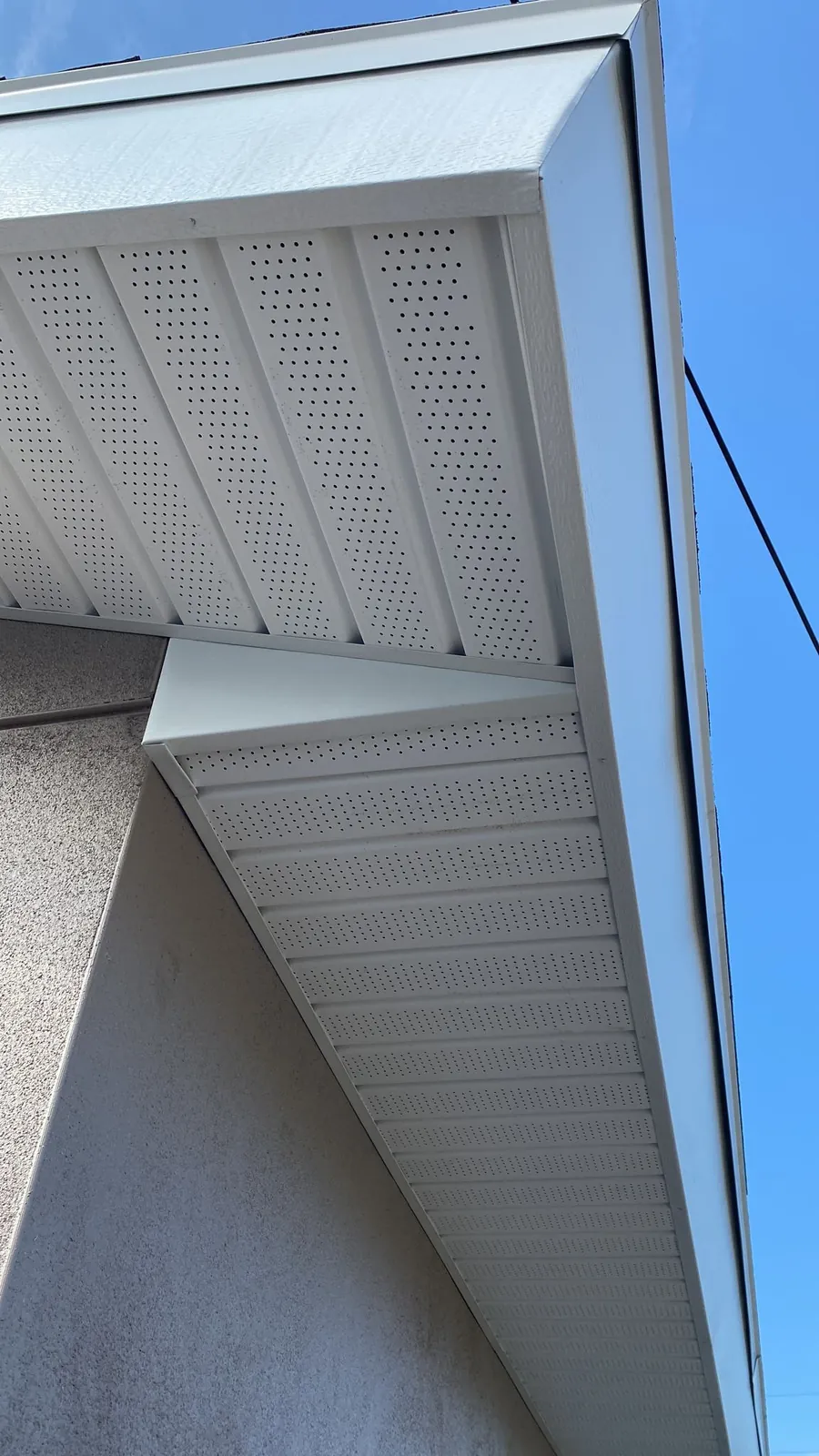
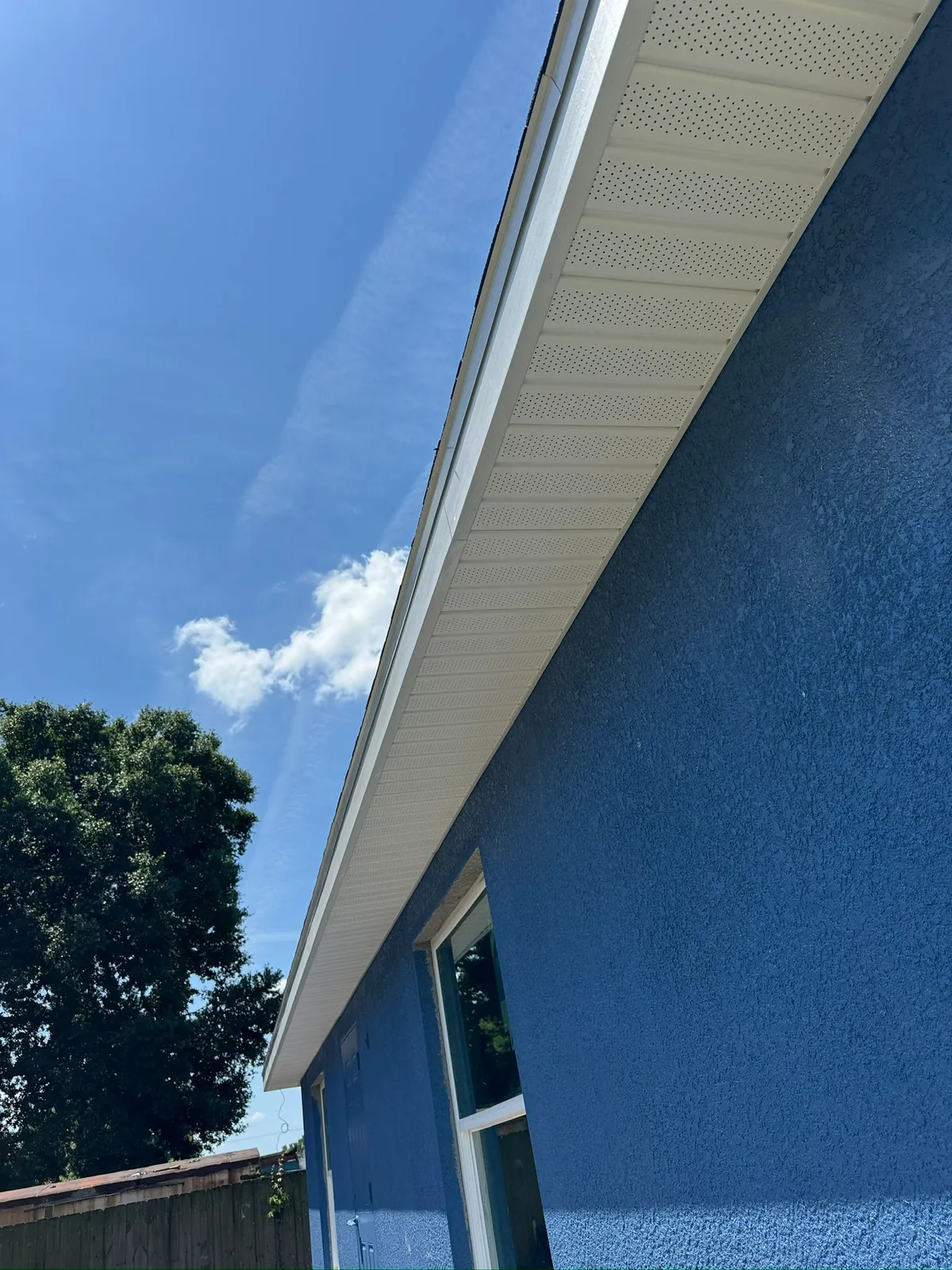
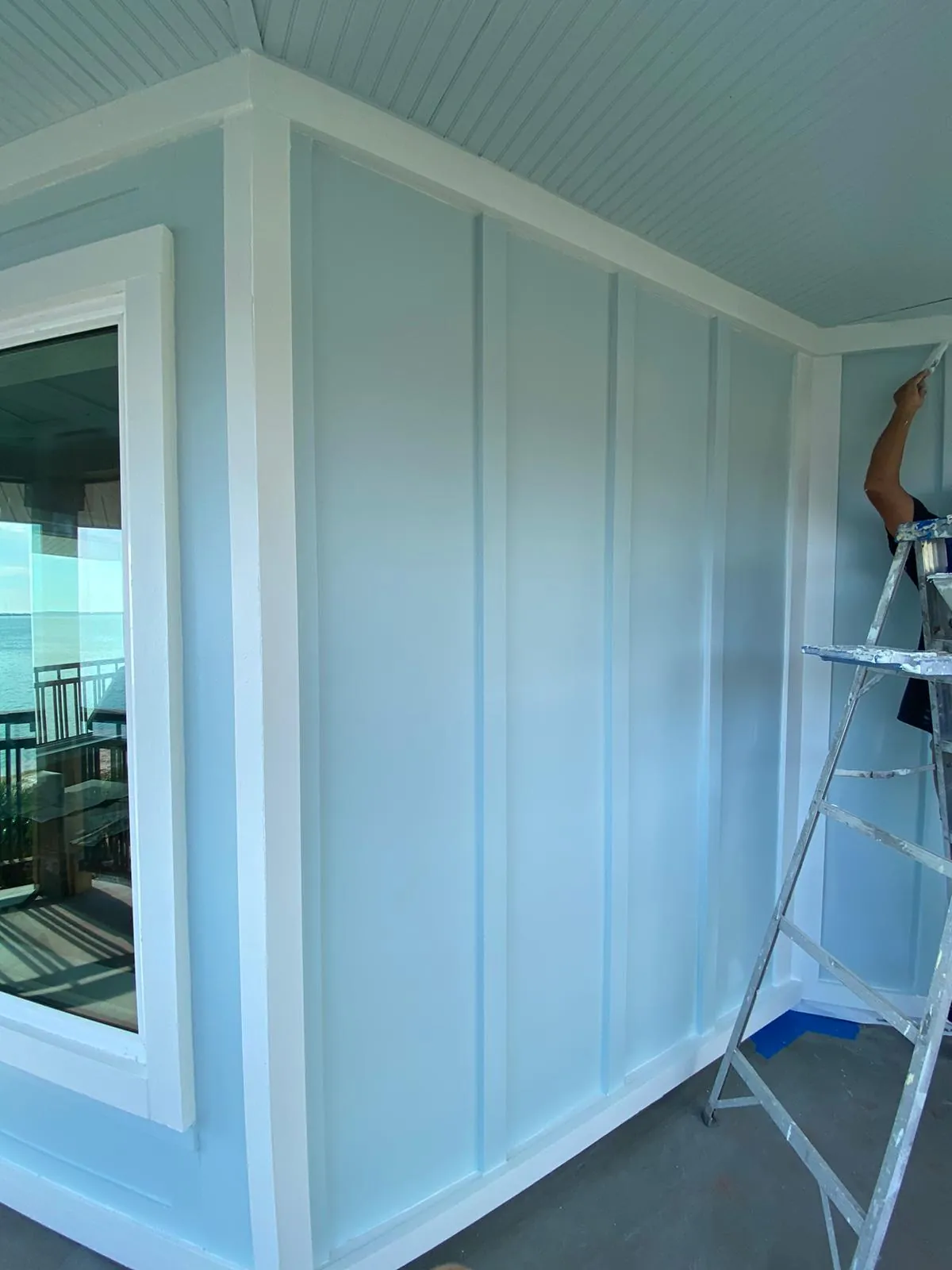
Precision trim and detail work by our crew
How Do We Prepare Trim for Painting?
Our trim preparation process is thorough and systematic. This is where the quality of the finished product is determined:
- Fill all nail holes and dents: Every visible nail hole, dent, and chip is filled with lightweight spackling compound, allowed to dry, and sanded flush. On baseboards in high-traffic areas, this step alone can take 30 to 45 minutes per room.
- Caulk all gaps: The junction between trim and wall is caulked with a high-quality, paintable latex caulk. Gaps between trim sections, miter joints that have opened, and any separation between trim and surface are sealed. Caulking creates the clean, tight lines that distinguish professional work from DIY.
- Sand all surfaces: Every trim surface is lightly sanded (150 to 220 grit) to create a mechanical profile for the new paint to grip, and to smooth any rough spots, drips, or imperfections from previous paint jobs. On trim with multiple layers of old paint, sanding also knocks down built-up edges and drip accumulations.
- Clean: After sanding, all trim is wiped with a tack cloth or damp rag to remove sanding dust. Any areas with grease, fingerprint buildup, or other contamination (common around kitchen and bathroom trim) are cleaned with TSP or denatured alcohol.
- Prime where needed: Bare wood from repairs, stained areas, or previously unpainted trim receives a high-adhesion primer. Trim being converted from stain to paint receives a bonding primer formulated for glossy surfaces.
What Paint Do We Use for Trim?
Not all paints are suitable for trim. Standard wall paint on trim will yellow, scuff, and show brush marks. We use professional-grade trim-specific products:
- Sherwin-Williams ProClassic Interior Acrylic-Alkyd: Our standard trim paint. This hybrid formula combines the cleanup ease of water-based paint with the hard, smooth finish of oil-based. It self-levels beautifully to minimize brush marks, dries to a hard film that resists scuffing and fingerprints, and does not yellow over time.
- Sherwin-Williams Emerald Urethane Trim Enamel: Our premium option for clients who want the absolute best finish. This urethane-modified formula provides exceptional hardness, stain resistance, and a glass-smooth finish. It is particularly excellent for high-touch areas like door casings and kitchen trim.
- Sherwin-Williams Emerald Urethane Trim Enamel: Our premium choice for trim work. This waterborne alkyd provides exceptional self-leveling and hardness characteristics, curing to a furniture-quality finish that resists chipping and yellowing.
All of these products share one critical quality: they are formulated to be brush-applied on trim and will self-level to reduce brush marks. Standard wall paint, even in semi-gloss, does not have these properties and should not be used on trim.
What Is the Most Popular Trim Color in Tampa Bay?
White trim remains the overwhelming favorite in Tampa Bay homes, accounting for approximately 80% of our trim painting projects. However, not all whites are the same. The most popular whites we paint include:
- Sherwin-Williams Extra White (SW 7006): A clean, bright white without warm or cool undertones. This is our most-requested trim white and works with virtually any wall color.
- Sherwin-Williams Pure White (SW 7005): Very similar to Extra White with a barely perceptible warmth. Popular in homes with warm-toned wall colors like beiges and tans.
- Sherwin-Williams Pure White (SW 7005): A soft white with very slight warmth that is particularly popular in newer homes and renovations going for a modern, airy look.
- Sherwin-Williams Alabaster (SW 7008): A distinctly warm white that pairs well with gray walls and cooler color palettes. Increasingly popular in South Tampa renovations and new construction.
Beyond white, we see growing interest in painted trim in accent colors, particularly dark colors like Sherwin-Williams Iron Ore (SW 7069) and Tricorn Black (SW 6258) for bold, modern interiors. Our color consultation service can help you select trim colors that complement your wall palette and design goals.
Can Trim Be Painted Without the Room Being Disrupted?
Yes. Trim-only painting is one of the least disruptive interior painting services we offer. Because we are working at floor level (baseboards), at door and window edges (casings), and at the ceiling line (crown), we typically only need to move furniture a few feet from the walls, not out of the room entirely. A standard bedroom's trim can be prepped and painted in one day, and the room can be used again within 4 to 6 hours after the final coat, once the paint has dried to the touch.
For whole-house trim projects, we work room by room so that your family can continue using the rest of the home normally during the project.
Ready to refresh your trim? Contact Westchase Painting Company at (813) 320-8710 or request a free estimate online. We serve homeowners throughout Westchase, Carrollwood, New Tampa, Wesley Chapel, and the entire Tampa Bay area.