
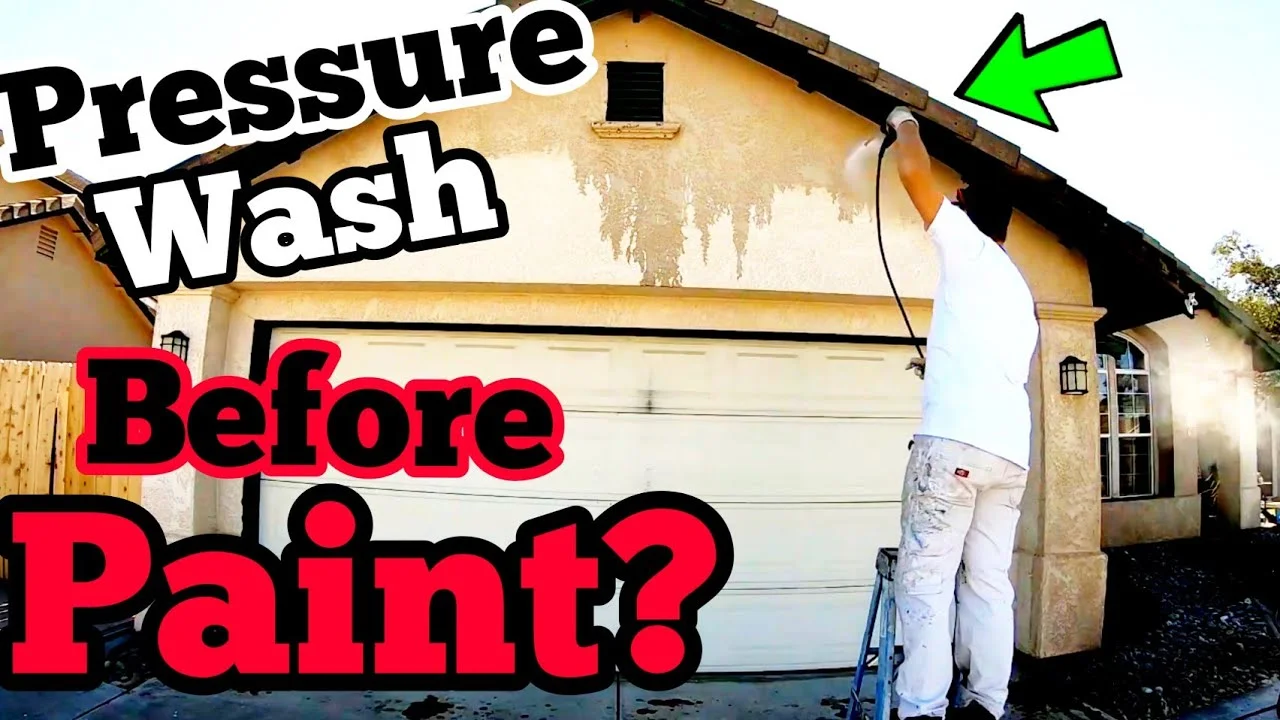

Stucco is the dominant exterior finish for homes in Westchase, Carrollwood, and throughout Tampa Bay. When properly prepared and painted, stucco provides excellent durability in Florida’s climate. When preparation is rushed or skipped, paint fails within 2-3 years. Here’s the professional approach to stucco preparation.
Understanding Tampa Bay Stucco
Most homes in Westchase and surrounding communities were built between 1985 and 2010, featuring traditional Portland cement stucco applied over concrete block or wood-frame construction with metal lath. This stucco is porous, alkaline, and develops hairline cracks over time, all factors that affect how we prepare and paint it.
Traditional Stucco vs. EIFS
Traditional Stucco is a cement-based material that feels hard and rough to the touch. It’s porous and breathable, allowing moisture vapor to escape from the wall assembly. Most Westchase homes have traditional stucco.
EIFS (Exterior Insulation Finishing System), sometimes called synthetic stucco, is softer to the touch and smoother. It’s essentially foam insulation with a thin acrylic finish. EIFS requires different preparation and paint products than traditional stucco. If you’re unsure which you have, knock on your exterior wall, traditional stucco sounds solid, while EIFS has a hollow, plastic-like sound.
Step 1: Inspection and Damage Assessment
Before any cleaning or painting, we conduct a thorough inspection of the stucco surface:
- Hairline Cracks: Cracks less than 1/16” wide are normal stucco behavior and can be sealed during the painting process with elastomeric or thick-build paints.
- Structural Cracks: Cracks wider than 1/8” or cracks that follow a pattern (stair-step, horizontal, or around windows) may indicate structural movement. These require repair before painting and may need professional assessment.
- Delamination: Areas where stucco has separated from the substrate will sound hollow when tapped. These sections must be cut out and re-stuccoed before painting.
- Efflorescence: White crystalline deposits on the surface indicate moisture migration through the stucco. The source of moisture must be addressed before painting.
- Mold and Mildew: Black, green, or brown staining is biological growth. It must be killed and removed during cleaning, paint will not adhere properly over mold.
Stucco at the top of the wall stains when water pours over the roof edge. Fix the gutter installation, or the drip edge, before anyone coats that wall.
Step 2: Crack Repair
Cracks must be properly repaired before painting. The approach depends on crack size:
Hairline Cracks (Less Than 1/16”)
These can typically be bridged with elastomeric paint or a thick-build acrylic. No separate repair is needed if using appropriate paint products.
Small Cracks (1/16” to 1/8”)
Fill with high-quality exterior acrylic caulk. We use Sherwin-Williams Powerhouse or Loxon Sealant. Apply caulk into the crack, tool smooth with a damp finger or putty knife, and allow 24-48 hours to cure.
Medium Cracks (1/8” to 1/4”)
Route the crack to create a uniform channel, fill with elastomeric sealant, and optionally embed fiberglass mesh tape for reinforcement. Allow 48-72 hours cure time.
Large Cracks and Damaged Areas (Over 1/4” or Delaminated)
Cut out the damaged stucco in a rectangular pattern, replace with pre-mixed stucco patch compound matching the existing texture, and allow 7-10 days for full cure. New stucco is highly alkaline and requires proper curing before painting.
Step 3: Cleaning the Surface
Proper cleaning is critical. Paint adheres to clean stucco, not to dirt, mildew, or chalky residue.
Soft Washing (Our Preferred Method)
We use a soft wash system that combines low-pressure water (under 500 PSI) with specialized cleaning solutions:
- Sodium hypochlorite (bleach) solution to kill mold, mildew, and algae
- Surfactants to break down dirt and grime
- 10-15 minute dwell time before rinsing
- Thorough low-pressure rinse to remove all cleaning residue
Soft washing is safer than high-pressure washing because it doesn’t force water into stucco pores or damage the surface.
Pressure Washing (When Necessary)
For heavily soiled surfaces or loose, peeling paint, pressure washing may be needed. We use no more than 1,500 PSI with a wide fan tip, keeping the spray at least 12 inches from the surface. The goal is cleaning, not stripping.
Drying Time
Stucco must be completely dry before painting. In Tampa’s humidity, this typically requires 24-48 hours after cleaning. We use moisture meters to verify dryness before proceeding. Painting wet stucco results in adhesion failure and peeling.
Step 4: Priming
Proper priming is one of the most overlooked steps in stucco painting, yet it’s essential for longevity:
Why Stucco Requires Primer
- Alkalinity: Stucco is highly alkaline (pH 12-13 when new). This alkalinity can “burn” paint pigments, causing discoloration and adhesion problems. Primer neutralizes alkalinity.
- Porosity: Stucco absorbs paint unevenly. Without primer, topcoats will have inconsistent sheen and color depth.
- Adhesion: Masonry primers penetrate deep into stucco pores, creating a strong mechanical bond for topcoats.
Recommended Primers for Tampa Bay Stucco
Sherwin-Williams Loxon Acrylic Masonry Conditioner: Our standard choice. Penetrates deeply, neutralizes alkalinity, and provides excellent adhesion for topcoats.
Sherwin-Williams Loxon Masonry Sealer: Another excellent option with strong penetration and alkali resistance.
Sherwin-Williams Loxon Primer: For new or unpainted stucco with high alkalinity.
When to Prime
- New or patched stucco (always)
- Unpainted or bare stucco areas
- Surfaces with efflorescence or alkaline staining
- Color changes from dark to light
- Surfaces with adhesion concerns
For previously painted stucco in good condition with no bare spots, self-priming topcoats like Sherwin-Williams Duration may not require separate primer.
Step 5: Ready for Paint
After proper preparation, stucco is ready for topcoat application. Key application considerations:
- Application Method: Airless spray with back-rolling works best for stucco. Spraying gets paint into all the texture; back-rolling ensures even coverage and works paint into the surface.
- Number of Coats: Two coats minimum. Stucco’s porosity and texture often require the first coat to “feed” the surface, with the second coat providing uniform color and protection.
- Weather Conditions: Apply when surface temperature is 50-90°F, humidity is below 85%, and no rain is expected for 24 hours. In Tampa, early morning application before afternoon storms is typical.
- Dry Time Between Coats: Follow manufacturer recommendations, typically 4-6 hours for latex paints in good conditions. Longer in high humidity.
Common Stucco Preparation Mistakes
- Skipping the soft wash: Painting over mold or dirt guarantees early failure.
- Not waiting for stucco to dry: Trapped moisture causes blistering and peeling.
- Using latex caulk on large cracks: Latex shrinks as it dries, reopening cracks.
- Not priming repairs: Patched areas will show as dull spots without primer.
- Painting new stucco too soon: New stucco needs 28-60 days to cure and lose alkalinity.
- High-pressure washing: Forces water deep into stucco, damages surface texture.
Professional Stucco Preparation
At Westchase Painting Company, stucco preparation is a systematic process we never shortcut. It takes time, but it’s the difference between a paint job that lasts 8-10 years and one that fails in 3-4.
If you’re considering painting your stucco home in Westchase, Carrollwood, Citrus Park, or anywhere in Tampa Bay, we’d be happy to provide a free estimate with detailed preparation scope.