
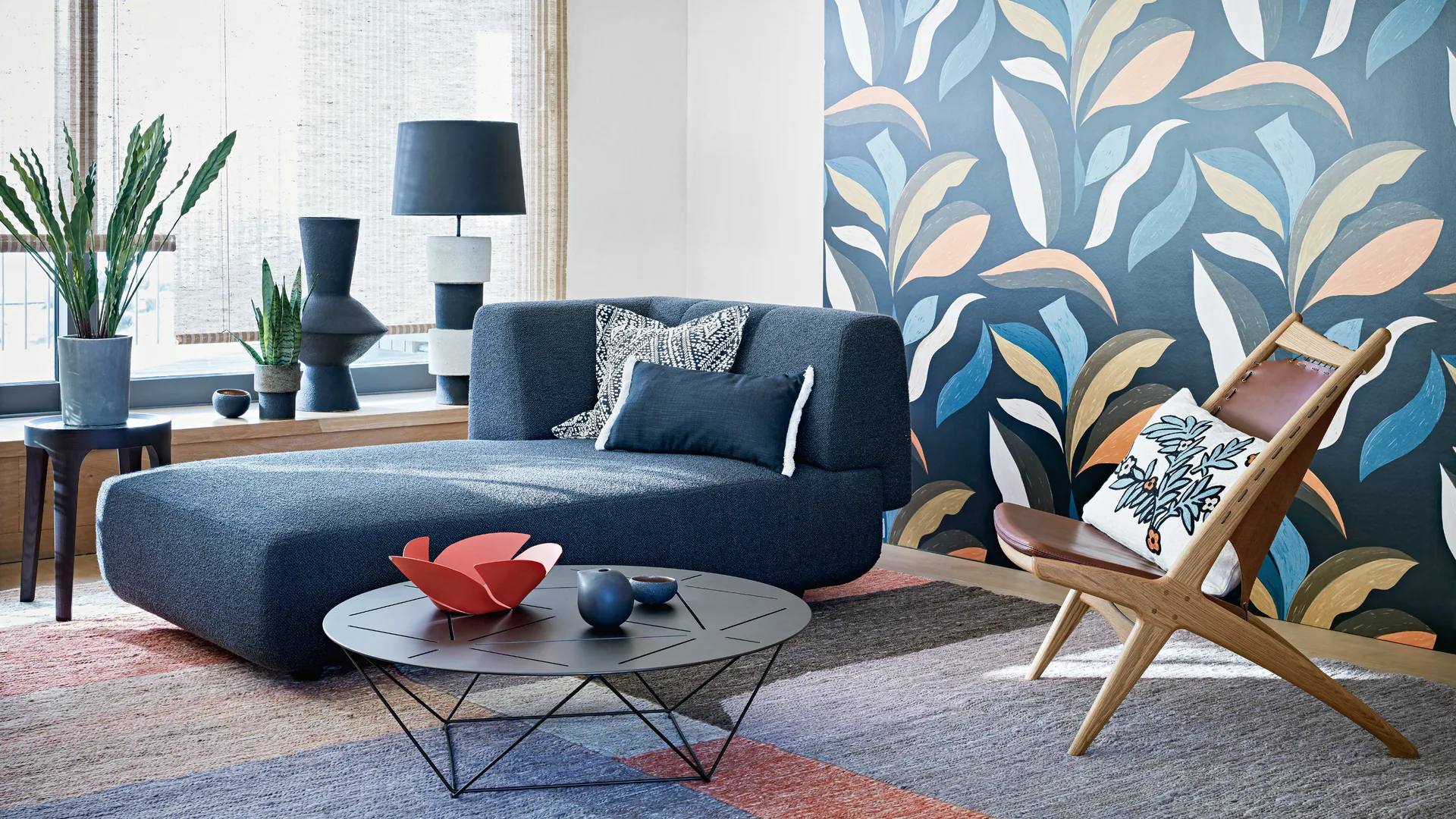
An accent wall is the single most cost-effective way to dramatically change the look and feel of a room. One wall in a bold color, a geometric pattern, or a textured finish transforms a space from neutral to memorable without the cost or commitment of repainting an entire room. It is design-forward, it is affordable, and when done professionally, it delivers impact that photographs, impresses guests, and makes you enjoy your space more every day.
Westchase Painting Company creates custom accent walls for homeowners throughout Westchase, Carrollwood, South Tampa, and the entire Tampa Bay area. From simple bold-color statements to complex geometric designs and artisan textured finishes, we bring accent wall visions to life with clean execution and professional-grade materials.
Why Are Accent Walls So Effective in Tampa Bay Homes?
Tampa Bay's open floor plans, abundant natural light, and predominantly neutral home color palettes create the perfect canvas for accent walls. Most homes in Westchase, New Tampa, and Wesley Chapel were built with builder-grade paint in safe, neutral tones, beige, greige, or soft white. These are pleasant but unremarkable.
An accent wall introduces personality, creates a focal point, and anchors furniture groupings in a way that four same-colored walls cannot. In open floor plans where the living room flows into the dining area and kitchen, an accent wall helps define zones without physical partitions. Tampa Bay's natural light with sun angles that shift dramatically through the day, plays beautifully with accent colors, creating different moods from morning through evening.
What Types of Accent Walls Do We Create?
We categorize accent walls into four primary types, each with different visual impact, preparation requirements, and cost ranges:
Type 1: Solid Bold Color
The classic accent wall, one wall painted in a distinctly different, usually deeper or more saturated color than the surrounding walls. This is the most popular and cost-effective option. The key to a great solid-color accent wall is color selection: the accent should complement the room's existing palette while creating clear visual contrast.
We recommend accent colors that are 3 to 5 shades deeper than the surrounding walls, or from a complementary position on the color wheel. A room with warm gray walls might get a deep navy accent. A room with white walls might get a rich emerald green. The goal is contrast with cohesion. the accent should feel intentional, not accidental.
Common solid accent wall applications:
- Bedroom headboard walls in deep, cozy colors like burgundy, navy, or forest green
- Living room focal walls in sophisticated tones like slate blue or warm charcoal
- Dining room statement walls in dramatic colors like black, deep plum, or saturated teal
- Home office walls in energizing colors like deep teal or warm terracotta
Type 2: Geometric and Pattern
Geometric accent walls use masking tape, precise measurements, and multiple colors to create patterns on the wall surface. These are high-impact, Instagram-worthy designs that work particularly well in children's rooms, playrooms, offices, and modern living spaces.
Popular geometric patterns include:
- Diagonal stripes: Alternating colors in angled bands. Can be wide (8 to 12 inches) for a subtle effect or narrow (2 to 4 inches) for a bold graphic look.
- Color blocking: Large rectangles or squares of different colors, sometimes overlapping. Creates a modern, art-gallery aesthetic.
- Mountain range / triangle compositions: Overlapping triangles in gradient colors creating a mountain-like silhouette. Extremely popular in nurseries and children's rooms.
- Arches: Painted arch shapes over the headboard area or in a reading nook. Creates a soft, organic focal point that contrasts with the room's angular architecture.
- Half-wall / two-tone: The lower half of the wall in one color, the upper half in another, with a clean horizontal line between. A modern take on wainscoting that adds dimension without millwork.
Geometric accent walls require extensive planning before any paint is applied. We create a scaled drawing of the design, map out measurements on the wall, and use professional-grade low-tack tape to create crisp lines. Multiple colors may require 3 to 4 masking and painting sequences, with drying time between each layer.
Type 3: Textured and Specialty Finishes
Textured accent walls add tactile dimension in addition to color. These are artisan-level finishes that create organic, hand-crafted looks that cannot be replicated with standard flat paint:
- Limewash: An ancient technique using slaked lime that creates a soft, mottled, old-world finish with natural variation. Limewash has become extremely popular in modern interiors for its organic, European aesthetic. Colors range from soft whites and creams to deep terracottas and greens. Each application creates a unique pattern of lighter and darker areas.
- Suede / chamois: A multi-layer technique using specialty products and application tools to create a soft, fabric-like appearance on the wall surface. Colors shift subtly depending on viewing angle and light.
- Venetian plaster effect: Multiple thin layers of tinted plaster or specialty paint applied with a trowel and burnished to create a polished, stone-like surface with depth and movement. This is the most labor-intensive option but creates a truly luxurious look.
- Rag rolling / sponge: More traditional faux-finish techniques that add subtle texture and color variation. These have evolved from the heavy-handed 1990s versions into sophisticated, understated applications that add depth without looking dated.
Type 4: Board and Batten / Millwork + Paint
While we are painters rather than carpenters, we frequently paint accent walls that include applied millwork, board and batten, shiplap, panel molding, or picture-frame molding. These architectural elements, when painted in a single color, create a textured accent wall through shadow and dimension rather than color contrast.
If you are having millwork installed by a carpenter or handyman, we coordinate to paint the pieces before installation (back-priming) and do final touch-up after installation. The result is a seamless, factory-finished look that is difficult to achieve when painting assembled millwork in place.
How Do We Select the Right Accent Wall Color?
Color selection is the most important decision in an accent wall project, and it is where professional guidance provides the most value. The wrong color can feel jarring, make the room feel unbalanced, or simply not achieve the intended effect.
Our color consultation service includes:
- In-home evaluation of existing furnishings, flooring, and fixed elements (countertops, tile, etc.) that the accent color needs to work with
- Assessment of the room's natural and artificial lighting, including how light changes through the day
- Large brush-out samples painted directly on the wall so you can see the color in your actual space, at full scale, in your lighting
- Guidance on how bold to go, balancing personal taste with what will age well and appeal broadly if you sell the home
We strongly recommend seeing a large (at least 2 feet by 2 feet) sample of the color on the actual wall before committing. Small paint chips viewed in a store under fluorescent lighting look dramatically different from a full wall in Tampa Bay's warm, bright natural light.
What Rooms Work Best for Accent Walls?
While virtually any room can benefit from an accent wall, certain rooms and configurations produce the best results:
- Bedrooms: The headboard wall is a natural accent wall location. A deep, saturated color creates a cocoon-like backdrop for the bed and makes the room feel more intimate and intentional. Bedrooms in Westchase and Carrollwood homes with neutral master suites are our most common accent wall projects.
- Living rooms: The wall your primary seating faces. Often the fireplace wall or the wall opposite the windows is ideal. An accent here anchors the conversation area and creates a visual destination when you enter the room.
- Dining rooms: A bold accent wall in a dining room creates drama and sophistication for gatherings. Dark colors like navy, hunter green, or charcoal are particularly effective in dining spaces because they create an intimate, restaurant-like atmosphere.
- Home offices: An accent wall behind a desk creates a polished backdrop for video calls and adds visual interest to a room where you spend significant time. Warm, energizing colors like terracotta, deep teal, or rich sage work well in offices.
- Entryways and hallways: A bold accent at the end of a hallway or on the wall visible when entering the home creates an immediate impression. In Tampa Bay homes with open foyers, an accent on the stairwell wall or the wall flanking the entry is particularly effective.
What About Accent Walls in Rental Properties or Before Selling?
Accent walls are also a smart strategy for rental property owners and homeowners preparing to sell:
- Rental properties: An accent wall in the living room or master bedroom photographs well for listing photos and differentiates the unit from competitors. For multi-family investors, accent walls are a low-cost upgrade that can increase perceived value and justify slightly higher rent.
- Pre-sale staging: Real estate professionals consistently report that homes with one or two well-chosen accent walls photograph better and generate more showing interest than homes painted entirely in neutral tones. The key is choosing universally appealing colors (deep blues, warm greens, sophisticated grays) rather than highly personal choices (bright orange, hot pink).
How Do We Execute an Accent Wall Project?
Our accent wall process from consultation to completion:
- Consultation and color selection: We visit the home, assess the wall, discuss your vision, and provide color recommendations with large on-wall samples.
- Preparation: The accent wall is cleaned, any imperfections are filled and sanded, and edges are masked with premium painter's tape for clean lines where the accent meets adjacent walls, ceiling, and trim.
- Priming (when needed): If going from a very light color to a very dark color (or vice versa), a tinted primer saves coats and ensures true color development. Without primer, dark colors over light can require 3 to 4 coats with tinted primer, we achieve full coverage in two coats.
- Application: Two full coats of the selected color are applied with proper technique for the finish type, cut-in brush work at edges and roller application on the field. For geometric designs, the masking-painting-peeling sequence is repeated for each color layer.
- Reveal: Masking is carefully removed while the final coat is still slightly tacky (this prevents paint peeling with the tape), and the wall is inspected for any touch-up needs. The result is crisp, clean lines and a professional finish that makes the wall a true design feature.
Ready to create an accent wall that transforms your space? Contact Westchase Painting Company at (813) 320-8710 or request a free estimate online. We serve homeowners throughout Westchase, Carrollwood, South Tampa, and the greater Tampa Bay area.